Risks

Understanding Risks

A Prudent Approach to
Investment Risk

The link between risk and reward is fundamental to investing. Some risks are clear, others less so, and even savings in a high street bank are exposed to threats like inflation and fraud. This guide highlights the key risks you should consider and the questions to ask when reviewing any opportunity. Begin your due diligence by looking at an organisation’s size, history, and reputation. For example, a major UK bank generally carries far less risk than an unfamiliar offshore firm. Careful scrutiny at this stage can help you make more informed and confident investment decisions.


Balancing Risk and Reward
for Long-Term Growth

A Practical Guide to Intelligent Investing

Key questions to ask before you commit your capital.

In 1997, a £10,000 investment in Amazon could have grown to over £12 million today. While stories like this showcase the power of smart investing, they also highlight the importance of identifying the right opportunities.

The key is to find a healthy rate of return without exposing yourself to unnecessary risk. To achieve this, your due diligence is vital. Below are the core areas you should investigate before making any decision.

1. Understand the Business Model

First, gain a genuine insight into the company’s operations.

  • Does the product or service make sense to you? Can you clearly see its value?
  • Is it sustainable? Is the business built on a long-term trend or a temporary fad? Early Bitcoin investors saw huge returns, but later adopters often faced losses.
  • What is the team’s track record? A quick search on the directors can reveal a history of success or failure.

2. Define Your Personal Goals

An investment must align with your own financial situation and objectives.

  • Are you seeking income or growth? This will determine the type of assets you should consider.
  • What is your time frame? Are you investing for the short, medium, or long term? Tying up funds you might need soon is a common mistake.
  • Can you handle market changes? If you rely on the income, highly volatile investments may not be suitable.

3. Review the Financials & Liquidity

Finally, get to grips with the numbers and practicalities.

  • Have you calculated the real return? Factor in all fees and tax implications to understand what you will actually receive. For ISAs, ensure the tax-free benefit is genuinely worthwhile compared to other options.
  • Can you sell when you want to? Check if there is an active secondary market for the investment, or if you are locked in.

    Finding the right balance is key. While high street bank returns can be discouraging, losing your capital is a far worse outcome. By asking these questions, you can navigate the space in between: aiming for decent returns without taking on excessive risk.

The Power of Diversification

How to navigate the investment world, from high street banks to high-growth ventures.

When it comes to investing, many people believe staying with familiar, high street brands is the safest bet. While these institutions offer stability, they rely on their reputation to offer minimal returns. At the other end of the spectrum are high-risk ventures promising huge rewards, but with little history and no guarantee they won’t simply disappear with your funds.

So, where is the sweet spot? The key to successful investing lies in one powerful strategy: diversification.

The Role of Banks vs. Investments

You will not build significant wealth by leaving all your money in a high street bank. Banks are designed to provide liquidity and security, not to generate high returns for their clients. It is always wise to keep some funds as easily accessible cash for emergencies.

However, to make your money truly work for you, you must look beyond traditional savings.

The Strategy: Don’t Put All Your Eggs in One Basket

Diversification means spreading your capital across a range of different investment types. By blending lower-risk, stable assets with a selection of higher-growth opportunities, you can create a balanced portfolio that aims to:

  • Protect your core capital.
  • Generate steady, reliable income.
  • Capture significant growth from innovative opportunities.


This approach helps you manage risk while still allowing you to benefit from the incredible potential the market can offer. To illustrate what’s possible, our table below highlights the performance of today’s best-performing assets. It shows how even a small, well-placed investment can lead to extraordinary returns.

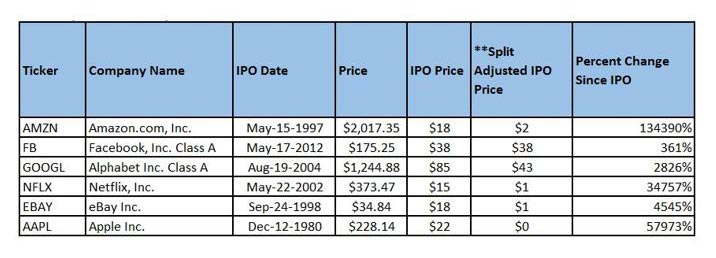
Table compare ISAs